

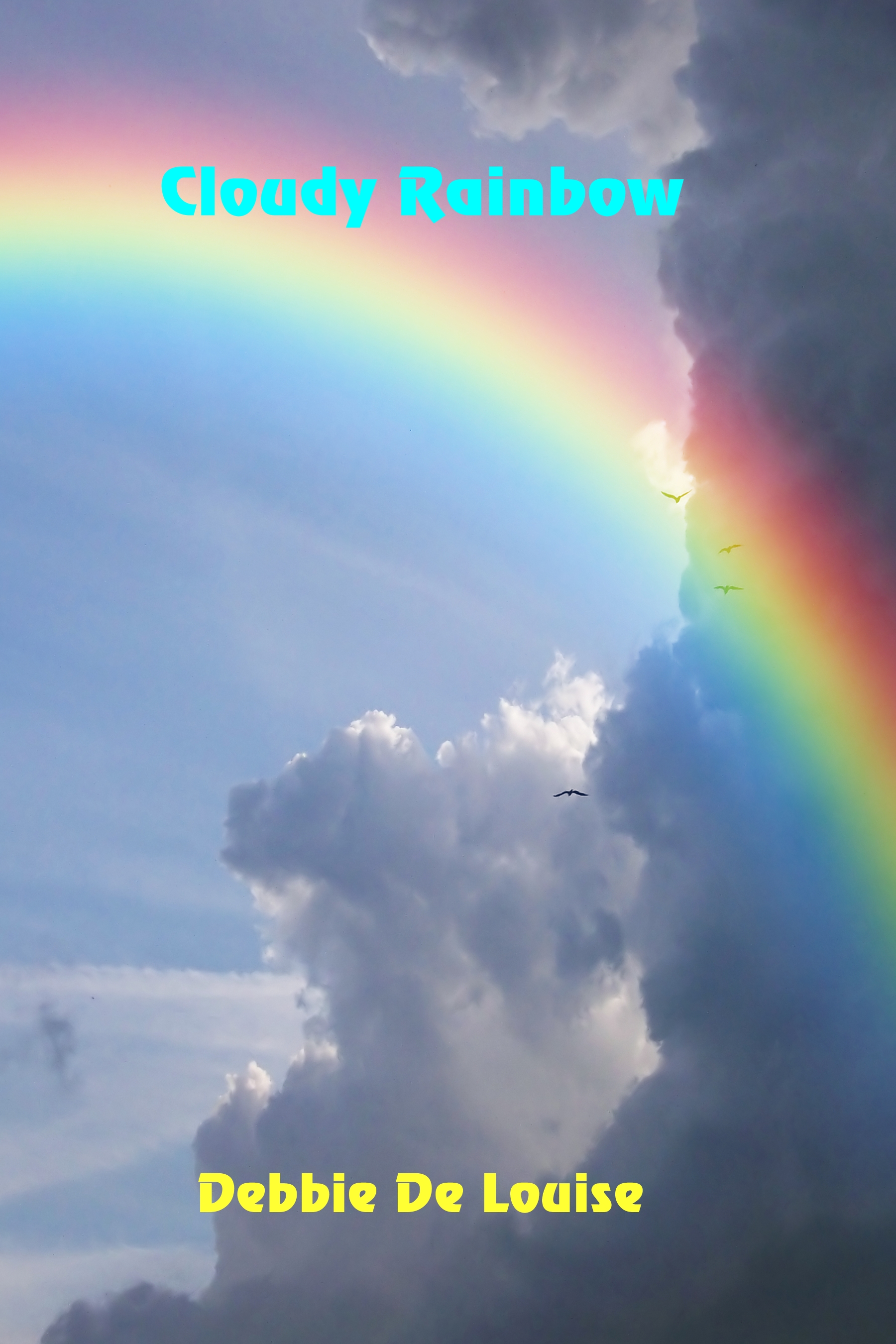
About ten years ago, I had a short story published in a mystery anthology and, while I received a small advance, I never saw any royalties from it. There were about 20 other contributors, some very well known names who most likely got a larger piece of the pie, and the book didn't sell well. I took a break from writing after that and wasn't sure I would ever go back. Not because I had imagined I would become rich and famous from that one story but because I got very busy with other pursuits, my career, and also had my daughter four years ago. What brought me back to writing was Second Life. When I joined nearly two years ago, I got a position with the Metaverse Messenger as a staff writer and found that this was my way of contributing to a virtual world. As I got back into the habit of writing, I found it was something I'd missed very much. And then I lost my cat. That was the impetus for me to start writing fiction again. By putting him into the book, along with my newly discovered virtual world and a fictionalized account of my college years on the student newspaper, I was able to cope with some of the pain of his loss and also relive some of the happier times we'd had together. But beyond a memorial to my cat, Cloudy Rainbow was something I wanted to share with others who had also lost a loved one whether it be a friend, relative, or pet.
So when I completed the book, the next step was to find a publisher. I spent several months editing the manuscript and then began the process of submitting it to agents, as I knew that first-time novelists have a slim chance of being published without one. Most replies I received were form rejections. I tried not to take these to heart, as I knew many famous authors received dozens or more rejections for their first books. Yet I felt frustrated that no one would even ask to read the book. Then I began to consider self publishing. I’d read about the big explosion in POD (Print on Demand ) books. I knew there were pluses and minuses of going this route. The main minus, of course, was that I would have to pay for the publishing and might not even recoup the expense. But, to me, the time and effort of soliciting agents while my manuscript grew old, was a big factor in my decision. I did not have dreams of fame and fortune. Most first novelists are more realistic than that. What I wanted to do was simply print the book.
I investigated several POD publishers. Initially, I had signed up with one of the big ones when they’d offered a good price deal. But after some research, I felt my needs would be better served with a smaller but more customer-oriented company called
Booklocker.com. I had also received recommendations about this company from some colleagues in a writer’s group to which I belonged. So I emailed my manuscript to Booklocker, and they replied in just a few days that they would accept it. That was another thing that I liked about them. While many POD companies print anything accompanied by a check or credit card number, Booklocker screens all the manuscripts they receive and only selects about 35 per cent of their submissions.
I can not say that I am a hundred per cent happy with self-publishing through POD, and I would not rule out a traditional publishing contract in the future. However, I see self-publishing as a step in that direction and one that is beginning to become more favorably looked upon as technology continues to impact how written material in its various forms is delivered to the reader.
As a side note, through my research, I was also surprised to find that POD is not used exclusively by self publishers but has also begun to be used by traditional publishers in some cases such as for reprints.